
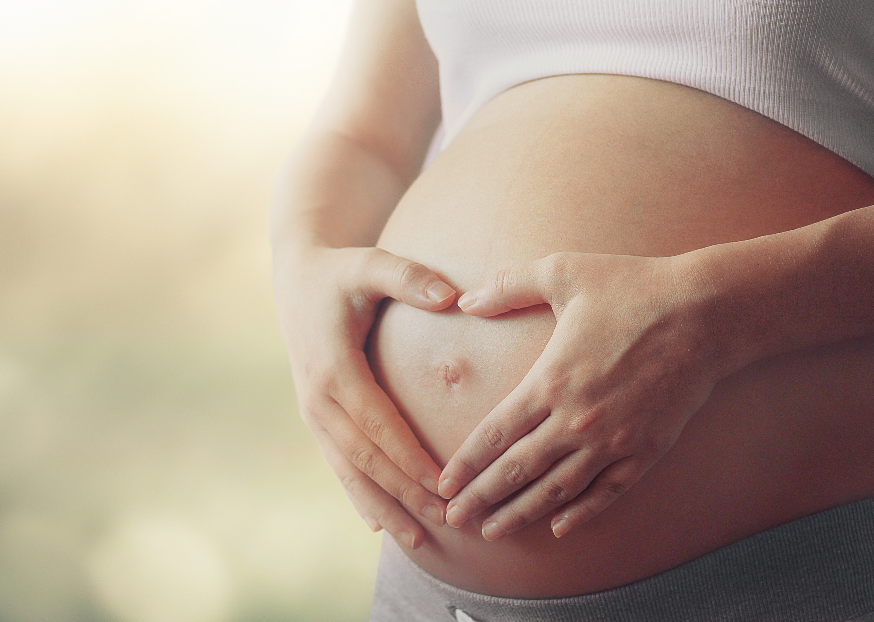
Missing teeth can impact both your oral health and overall confidence, and dental implants are often the best solution for restoring a complete, functional smile. But if you’re pregnant, you might wonder whether it’s safe to proceed with implant treatment during this delicate time. Understanding the risks and timing considerations can help you make the best decisions for both your health and your baby’s safety.
Why Timing Matters
Dental implant procedures involve surgery, anesthesia, and sometimes medications that aren’t recommended during pregnancy. The first trimester is particularly sensitive, as this is when the baby’s organs are developing. Elective dental surgeries, including implants, are typically postponed until after pregnancy to avoid potential complications. Even in the second or third trimester, many dentists prefer to wait, as surgical stress, medications, and X-rays can pose unnecessary risks.
Non-Urgent Dental Work During Pregnancy
While replacing a missing tooth is important, dental implants are generally considered non-urgent. Routine dental care, such as checkups and cleanings, is encouraged during pregnancy, but elective surgeries like implants are best scheduled for after delivery. If a missing tooth is causing pain, infection, or other complications, your dentist may provide temporary solutions, such as a removable partial denture or bridge, to maintain function and aesthetics until it’s safe to proceed with an implant.
Safety Considerations
Dental implants require local anesthesia, and sometimes sedation, as well as imaging like X-rays for proper placement. Most anesthetics used in dental procedures are safe for pregnant patients, but exposure to sedation or repeated X-rays is typically avoided unless absolutely necessary. Medications prescribed for pain management or infection control may also need to be adjusted to ensure safety for both mother and baby.
Planning for Implants
If you’re considering dental implants, the best approach is to plan treatment either before pregnancy or after delivery. Discuss your options with your dentist early, so you can preserve bone health, prevent shifting of adjacent teeth, and maintain your smile until it’s safe to proceed. Your dentist may recommend temporary restorations or other protective measures to keep your oral health stable throughout pregnancy.
Maintaining Oral Health During Pregnancy
Even if implant placement is postponed, taking care of your existing teeth is crucial. Pregnancy can increase the risk of gum disease and cavities due to hormonal changes. Brushing twice daily, flossing, attending routine dental checkups, and communicating any concerns with your dentist will help you maintain a healthy mouth for both you and your baby.
While dental implants are a long-term solution for missing teeth, elective implant surgery is not recommended during pregnancy. Waiting until after delivery ensures the safest outcomes for both mother and child while allowing you to plan a successful, lasting restoration.
About the Practice
At Olberding Dental, patients receive personalized, compassionate care from a team dedicated to long‑term oral health and comfort. Led by Dr. Louis Olberding, a trusted dentist with advanced training and years of experience in restorative and family dentistry, the practice focuses on creating individualized treatment plans that meet each patient’s unique needs. Dr. Olberding combines his commitment to ongoing education with a warm, patient‑first approach, ensuring every visit feels comfortable and stress‑free. From preventive services to advanced restorative treatments like dental implants, Olberding Dental uses modern techniques and a patient‑centered philosophy to help individuals and families achieve healthy, confident smiles.
Call us at (402) 488-2325 or schedule your appointment online.